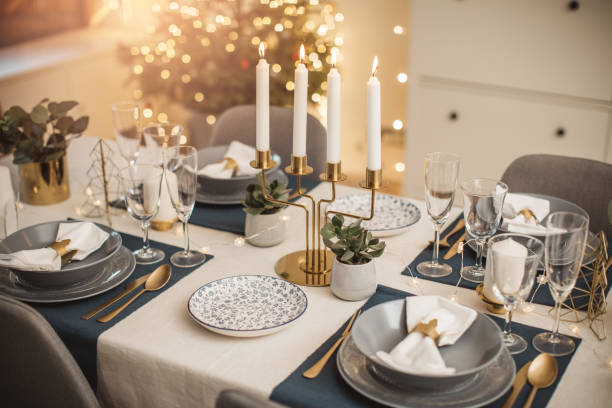
When we talk about home decor , the focus is often on the living room and bedroom. However, as core areas for daily meals and social interaction, the kitchen and dining room require even more decorative elements to enhance the ritual and practical aesthetics of life .
In these spaces, decorative items are more than just static displays; they must be integrated with functionality: a beautiful set of tableware, a textured placemat, a beautifully shaped oil bottle – these functional decorative items can transform ordinary dining moments into pleasant experiences.
This article will deeply analyze how to use three major categories of decorations : tableware, tablecloths and small kitchen appliances , with details and quality as the core, to inject exquisite life aesthetics into your kitchen and restaurant.
Tableware and utensils: works of art in your hands and dining mood
a home decoration that directly affects the dining experience . Their texture and design determine the tone of the dining table.
A. Tableware selection: consistency of material and style
The touch and temperature of the material:
Core advantages: The delicate luster of bone china, the rustic feel of stoneware, or the crystal clearness of glassware, different materials give food different visual and tactile experiences .
Matching rules: Modern minimalist style is suitable for black, white, gray or solid color high-gloss or matte ceramic tableware ; country style is suitable for stoneware decorations with hand-painted patterns or natural textures .
Styling and stacking aesthetics:
Choosing tableware that can be perfectly stacked and has a simple shape not only saves space but also conforms to the concept of minimalist home decoration .
The joy of “breaking the balance”: occasionally pair one or two special-shaped decorative plates from travel or handmade markets as the focus for salads or desserts to increase the interest of the dining table.
B. Functional decoration of kitchen utensils
Oil bottles and spice jars: Replace those plastic-wrapped supermarket oil bottles with stylish spice jars made of a consistent material like glass or ceramic. These uniform containers become decorative additions to your kitchen countertops .
Knife rack: A high-quality wooden or magnetic knife rack is not only safe and practical, but its clean lines also make it a very modern decoration in the kitchen .
Tablecloths: Soft backgrounds and seasonal expressions
Table linens, including placemats, table runners and napkins, are soft decorations that add warmth and color to the dining table .
A. Material selection: the “skin” of the dining table
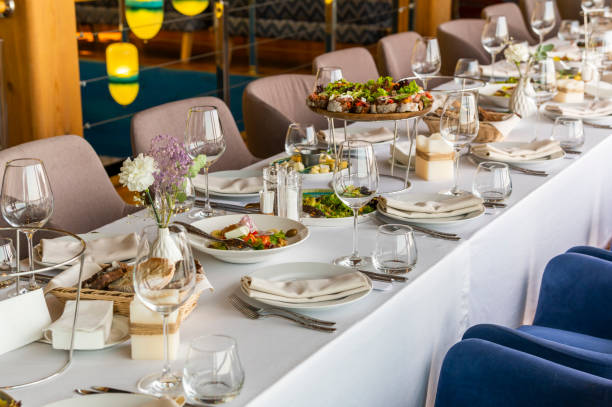
Linen:
Core Advantages: Its natural drape and elegant pleats . Linen is breathable and durable, bringing a relaxed, effortless, and sophisticated feel to the dining table, making it a classic choice for home decor .
Cotton:
Easy to clean, with a wide variety of colors and patterns, it is suitable for daily use and quick changes in themes (such as festivals and parties).
B. Color matching and layering
Table runners and placemats: On a table without a tablecloth, use a table runner to define the center line of the table, and then match it with placemats of different materials to create a rich sense of layering and visual focus.
Napkin: Napkin is the smallest decoration on the dining table . Its folding method and color matching can instantly enhance the sense of ritual of dining.
Small kitchen appliances: hidden decorations and design
Small appliances in modern kitchens (such as coffee makers and toasters) are functional necessities, but their appearance and color scheme also make them important home decoration items .
A. Appearance and color matching: the unity of function and aesthetics
Unified color tone:
Key tip: Choose small appliances in a consistent color or material (e.g., all matte black, stainless silver, or creamy white). This way, even if you have multiple items on your countertop, they still look visually cohesive.
Hidden design:
For appliances that are rarely used, consider storing them in cabinets or using decorative storage compartments. Reserve countertops for only sophisticated, design-conscious appliances as decorative displays.
B. Green plants and flower arrangements: Vitality decoration in the kitchen
Plant edible herbs like basil and mint in simple ceramic pots by the window. They serve as both decorative elements and culinary ingredients, providing the perfect blend of vitality and practicality. My experience: I used to think my kitchen countertops were cluttered until I realized the problem wasn’t the sheer number of items, but their inconsistent appearance. I replaced all the plastic-wrapped condiment bottles with a uniform brown glass finish and switched to a matte black toaster and kettle from the same collection. And a miracle happened: the once-cluttered items, thanks to the unified materials and colors, became “themed display pieces.” This radical upgrade of functional decorative items is a quick way to elevate your kitchen to a more upscale feel.
Conclusion: From Function to Emotion: The Aesthetics of Life on the Dining Table
In the kitchen and dining room, home decor is meant to serve life and elevate emotions. By carefully selecting tableware, fabrics, and functional utensils , you can transform ordinary meals into moments of ritual and aesthetic enjoyment.
Remember, every detail on the dining table is an expression of your love for life.
What do you think is the most ceremonial aspect of tablecloths? What is your favorite “functional decorative item” to display on your kitchen countertop?