
What is hidden storage decoration?
Hidden storage solutions are a clever home design method that perfectly combines storage functionality with aesthetics through careful planning and design, transforming otherwise monotonous storage spaces into visual highlights. This design concept not only solves the practical need for clutter storage but also enhances the overall quality of life in the space.
As a researcher specializing in home organization, I’ve analyzed dozens of successful case studies and the practical experience of professional organizers, discovering that excellent hidden storage can simultaneously meet the three major needs of functionality, aesthetics, and convenience. If you wish to balance functionality and decorative effect in your design process, you can refer to this guide to integrating home decor and storage , which demonstrates how to cleverly enhance the visual harmony of storage spaces using decorative items.
The core principle of concealed storage
Visual unity principle
Successful concealed storage prioritizes visual harmony and unity. This means that the appearance of the storage device should blend naturally into the surrounding environment, rather than appearing out of place.
Implementation method:
Choose cabinet doors that match the wall color.
Use concealed handles or push-to-open mechanisms.
Use materials and textures that coordinate with the overall style.
Clear functional zoning
Each storage space should have a clear functional positioning. Studies have shown that clear functional zoning can improve storage efficiency by more than 40% [2].
Ease of use
Aesthetics should not come at the expense of convenience. An ideal design should maintain a clean appearance while ensuring that frequently used items are easily accessible.
Practical Steps for Modifying a Storage Cabinet
Step 1: Clearing and Assessment
First, completely empty the storage cabinet and categorize and assess all items. This is the fundamental step in understanding your actual storage needs.
Key points of operation:
Take out and sort all items
Assess the frequency of use for each type of item.
Discard items that are no longer needed
Measuring cabinet interior dimensions
Step 2: Planning the storage system
Design a reasonable storage system based on item classification and usage frequency.
Frequently used items should be placed in an easily accessible location.
Low-frequency items can be stored in higher or deeper locations.
Fragile items require special protection and storage.
Step 3: Choose suitable storage tools
Choosing the right storage containers and dividers is crucial.
Recommended choice:
Transparent storage boxes make it easy to identify the contents.
Adjustable dividers adapt to different item sizes
Labeled storage bags facilitate categorization and management.
Case Study Recommendation (Practical Inspiration): Case studies
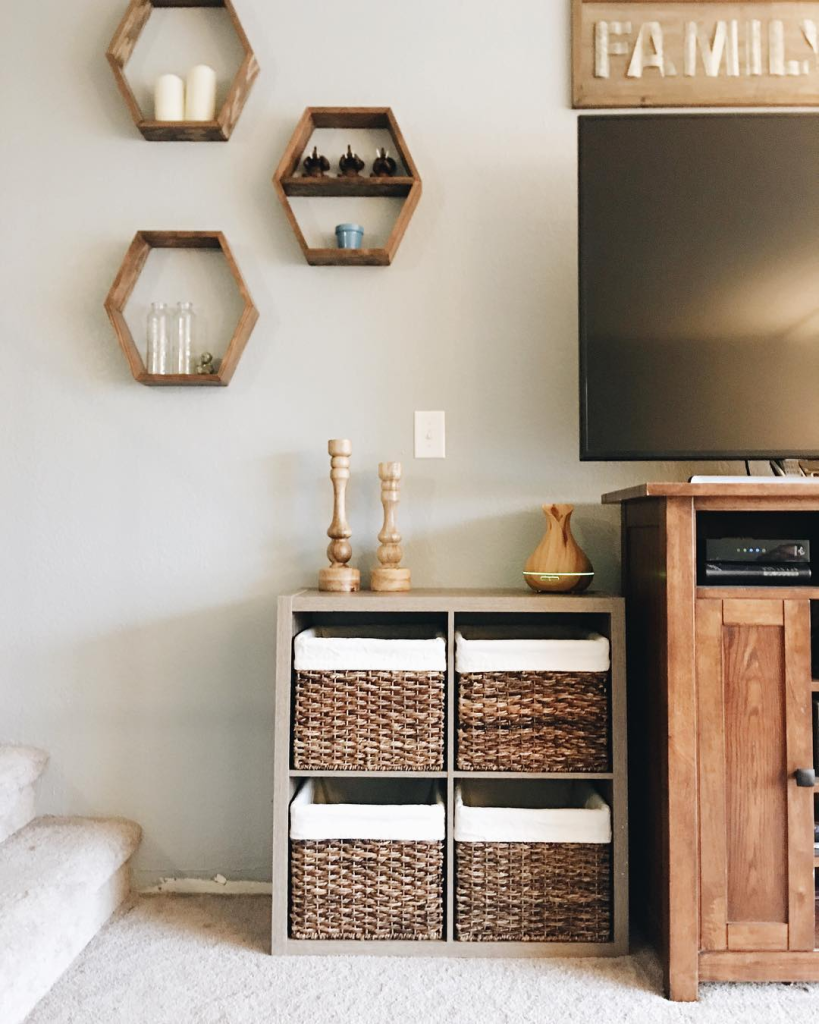
from SOSS Hidden Storage Furniture demonstrate that designing furniture as hidden storage space is a key trend in modern home design. Examples include: storage space under sofa benches, built-in drawers in bedside tables, and concealed power outlets and documents in hidden compartments of desks. These designs make furniture “both decoration and storage tools,” saving space while maintaining visual tidiness (Source: soss.com ).
Common Misconceptions and Solutions
Myth 1: Overemphasis on Minimalism.
Many people go to extremes when trying hidden storage, excessively pursuing a visually “empty” appearance, which greatly reduces practicality.
Solution: Find a balance between aesthetics and practicality, reserving 20% flexible storage space to cope with changes in daily needs.
Myth 2:
Designs that ignore user habits and fail to consider actual usage patterns are often unsustainable in the long run.
Solution: Design storage systems based on actual user movement patterns, placing frequently used items within natural movement areas.
Myth 3: Overly large one-time investment.
Attempting to complete all renovations at once may lead to budget overruns and poor decision-making.
Solution: Adopt a phased implementation strategy, prioritizing the areas with the highest usage frequency.
Design Inspiration and Innovative Ideas
Multifunctional hidden design
Modern concealed storage is evolving towards multifunctionality. For example, the inside of cabinet doors can be designed as a memo wall, and storage boxes can double as seating.
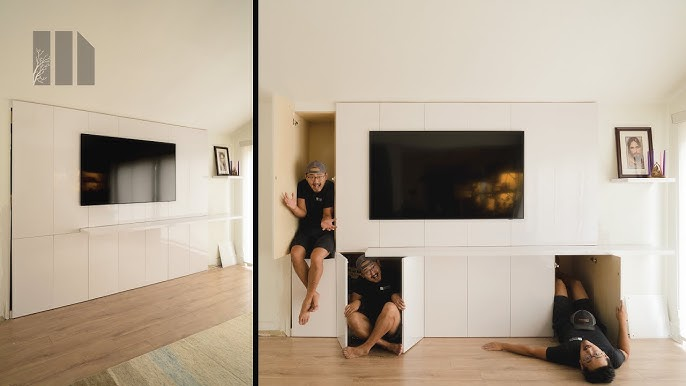
Houzz article, “The Case for Hidden Storage,” points out that using wall-mounted storage not only makes a space tidier but also reduces visual clutter. Solutions such as “storage cabinets under stairs,” “storage areas behind hidden doors,” and “integrated wall cabinets” are all innovative designs commonly used in modern homes (Source: houzz.com ).
Smart storage solutions
By combining modern technology, intelligent storage systems can further enhance the user experience:
Sensor lighting system
Intelligent Inventory Management
Adjustable storage structure
Research by the Japan Organizing Association shows that a scientific organizing system can significantly improve life satisfaction and space utilization efficiency.
Creative ideas specifically for small apartments
Real Simple ‘s “11 Pretty Storage Solutions” lists a variety of multifunctional furniture options suitable for small apartments—such as benches with hidden storage, pop-up coffee tables, and mirrored cabinets. These designs can accommodate a lot of items while maintaining a visually light feel in the room, making them ideal for families on a budget for phased renovations (Source: realsimple.com ).

Conclusions and Action Guidelines
Hidden storage solutions are not just a home organization technique, but also a design philosophy that enhances the quality of life. Through scientific planning and thoughtful design, each storage cabinet has the potential to become a highlight of the space.
Immediate Action Recommendation:
Starting today, choose the storage space that most bothers you and renovate it using the principles and steps outlined in this article. Remember, excellent storage design is a continuous optimization process, not a one-time perfect project.
Frequently Asked Questions
Q: Is hidden storage suitable for small apartments?
A: Absolutely. Hidden storage maximizes the use of limited space, making small spaces appear more spacious and tidy through vertical storage and multifunctional designs.
Q: How much would it cost to remodel a standard storage cabinet?
A: The budget varies greatly depending on the materials chosen. Basic renovations might only cost a few hundred yuan, while high-end customization could reach several thousand yuan. It’s recommended to start with the core functional areas and implement the renovation in phases.
Q: How to maintain a tidy storage system?
A: Establishing a habit of “putting things back in their place” is key. It’s also recommended to make minor adjustments quarterly and a major overhaul annually, optimizing the storage system based on actual usage.