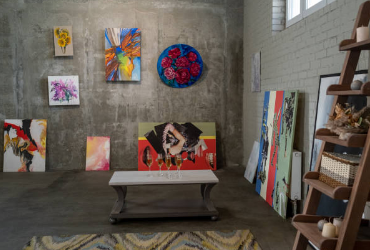
Wall art is a common decorative element that can quickly enhance the visual appeal and emotional atmosphere of a space. Whether you’re aiming for classic elegance or prefer modern simplicity, the right piece of wall art can give your home a distinctive charm. However, choosing the perfect wall art is not an easy task. Besides considering the artwork itself, it’s crucial to think about how it coordinates with the surrounding home decor. This article provides practical tips for selecting wall art, helping you add beauty to your living space.
1. Choose the Right Type of Wall Art
Oil Paintings
Oil paintings, known for their rich colors and delicate textures, are a classic choice for home decor. From realistic landscapes to abstract works, oil paintings can add depth and dimension to a space, making them perfect for areas like living rooms and dining rooms that emphasize artistic atmosphere.
Watercolor Paintings
Watercolor paintings, with their light and soft tones, create a peaceful and comfortable home environment. They’re ideal for bedrooms, studies, or children’s rooms where relaxation and calm are needed. The natural and fresh style of watercolor art is perfect for creating a warm and inviting family space.
Chinese Ink Paintings
As a representation of traditional Chinese art, Chinese ink paintings possess unique charm and cultural significance. Whether it’s landscapes, flowers and birds, or portraits, these paintings convey deep artistic heritage. For those who appreciate Chinese-style interiors, Chinese ink paintings are an essential decoration choice.
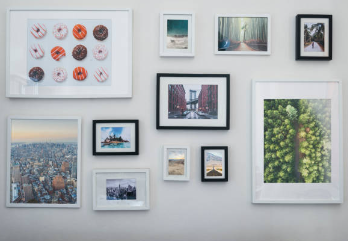
Photographic Art
In modern homes, photographic art is becoming increasingly popular. Whether it’s landscapes, portraits, or urban photography, these pieces bring a touch of contemporary flair to your home. Photographs are particularly suited for modern minimalist decor and make a bold visual impact.
Abstract Art
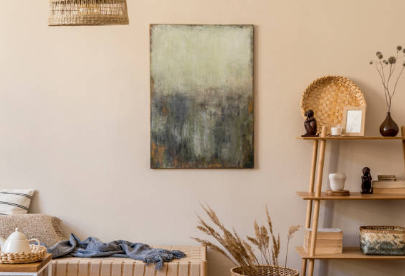
If you’re looking for a personalized and fashionable look, abstract art is the perfect choice. With unique forms and colors, abstract art expresses endless creativity and can elevate the artistic atmosphere of a space. This style is especially suitable for youthful and modern home designs.
2. Coordinating Wall Art with Your Home Style
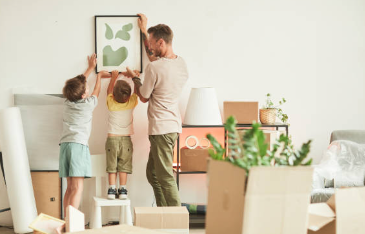
When selecting wall art, the first thing to consider is how it matches the overall style of your home. If you have a modern minimalist decor, choosing simple, abstract pieces will highlight the unique appeal of the space. On the other hand, if you have a traditional European-style home, ornate oil paintings or vintage works would be more fitting. In general, wall art should complement the home style to fully showcase its artistic value.
3. Choosing Wall Art Based on Room Size
The size of the artwork should be proportional to the size of the room. In smaller spaces, opt for smaller artworks to avoid overwhelming the wall. In larger rooms, you can choose a larger piece to create a striking visual impact. Large wall spaces are perfect for displaying one or more large artworks, forming a unique visual focal point.
4. Hanging Wall Art: Position and Tips
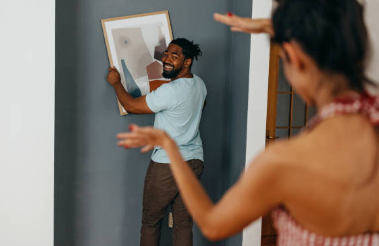
Hanging Location
The location of the wall art should be determined by the layout of the space. Common hanging positions include above a sofa, on the wall behind a bed, or in the dining room. Not only should the placement be aesthetically pleasing, but it should also consider the natural eye level to ensure the artwork looks its best in the space.
Height Control
As a general guideline, the center of the artwork should be at or slightly above eye level. This allows people to comfortably view the piece whether standing or sitting.
Gallery Hanging
If you choose multiple pieces of art, try grouping them together. You can arrange them symmetrically or asymmetrically, in horizontal or vertical rows, depending on the size and shape of the space. Gallery hanging creates a sense of layers and provides a rich visual effect.
Lighting
To enhance the artwork, consider installing spotlights or wall lamps above or beside it. Proper lighting can highlight the details and colors of the piece, making the artwork more vivid and adding an artistic touch to the room.
5. Maintenance and Care of Wall Art
Avoid Direct Sunlight
Direct sunlight can cause fading or damage to the artwork. To extend its life, avoid placing it in areas where it will be exposed to direct sunlight. You can use curtains or blinds to block sunlight.
Regular Cleaning
Regular cleaning is essential to maintain the beauty of your wall art. Use a soft cloth to gently wipe off dust and dirt. If there are stubborn stains, you can use a specialized cleaning product, but make sure it won’t harm the artwork.
Preventing Moisture and Pests
High humidity can cause mold or damage to your artwork. Therefore, it’s important to keep the area where your artwork is displayed dry and well-ventilated. Using desiccants or pest repellents can effectively prevent moisture and pests from affecting the art.
As people’s living standards rise and tastes in art diversify, home wall art is continuously evolving. In the future, customized wall art will become increasingly popular, with consumers having the option to create unique pieces that suit their needs. Additionally, the use of digital art and eco-friendly materials will become an important trend in home wall decor, with more home furnishings blending modern technology and sustainability.
Wall art is not just a decoration; it’s a way to express personality and emotions. By carefully selecting the right pieces and applying proper hanging techniques and maintenance methods, you can easily add an artistic flair to your home and enhance your quality of life. Whether it’s oil paintings, photographs, or abstract art, choose the wall art that best fits your home’s style and needs to give your space a distinctive artistic charm.