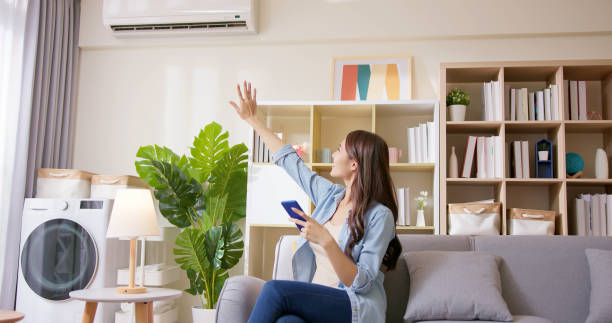
With the advancement of home design, we seem no longer content with spaces that are merely aesthetically pleasing or merely functional. More and more people are pursuing a “warm smart home” that combines the agility of technology with the spirit of art. Honestly, this balance can be difficult to strike. But once achieved, the entire space feels like it has been given a new life.
When initially decorating a room, we often focus on “decorative touches” like furnishings, paintings, aromatherapy diffusers, and vases. But over time, you’ll discover that it’s appliances that combine design with smart functionality that truly bring a home to life . For example, cleverly hiding a smart speaker within a bookshelf or integrating smart lighting into wall decor makes technology an integral part of the space’s aesthetic—that’s a wonderful feeling.
1. Core Design Principle: Balance between Technology and Aesthetics
According to the design guidelines of the International Smart Home Association, a “good-looking smart home” is often inseparable from three key words: color, material, and shape .
Color coordination : The color of smart devices should blend into the overall color scheme of the space. Too abrupt high-tech black can sometimes make people feel cold.
Material echo : Technological elements such as metal and glass can contrast and balance with the warmth of wood and fabric.
Fusion of forms : Modern equipment with strong lines can also interact with traditional shapes – provided that the proportions are well-controlled.
I once worked on a living room renovation project. Initially, the client wanted to “hide all the devices,” which resulted in a somewhat sterile space. Later, we opted to make the technology more visible, perhaps by embedding smart panels into wall art or disguising smart displays as decorative art. Surprisingly, this design felt more natural and warm.
2. The unity of function and form: making technology “warm”
Renowned designer Alex once said, “The best smart home design isn’t about adapting life to technology, but about adapting technology to life.”
I completely agree. Technology isn’t a cold, impersonal existence; it can have warmth, emotion, and even a touch of romance.
When smart devices no longer dominate the decor, but instead blend seamlessly into the décor, a sense of “just right” emerges. For example, as soon as you enter a room, the lights automatically adjust to a soft, warm yellow, and speakers gently play background music. This isn’t a show of skill; it’s a manifestation of life understanding you.
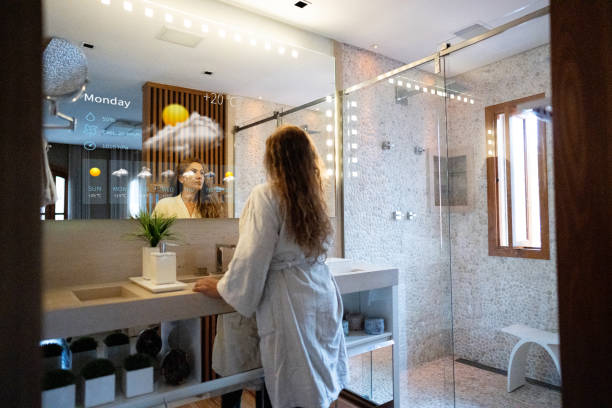
3. Style Fusion Techniques: Design Wisdom from Modern to Traditional
1. The fusion of technology in modern minimalist style:
Modern style is most likely to “accept” technological elements, but you should pay attention to restraint.
Choose appliances with clean lines and neutral tones;
Try to use embedded design;
Use layered lighting to create a futuristic feel, rather than cluttering the space with high-tech equipment.
2. Smart upgrade of traditional style
Some people think that traditional style cannot be made smart, but in fact it can.
Choose smart devices with antique designs;
Let the wooden case encase a modern movement;
Or simply hide the control module in the classical furniture.
The effect of this is that you can’t see the technology, but you can feel it “working” silently.
3. The free expression of mix and match style
The charm of mix and match style lies in its unlimited nature.
Use the contrast between old and new to create a visual focus;
Make the technology itself part of the decor;
Try smart devices that move or change color to make the space feel more “breathable.”

4. Hidden Design: Making Technology Invisible Yet Not Absent
According to data from a home technology research institute, embedded design can improve the aesthetics of a space by about 40%. Common methods include :
Embed the TV or speakers into the background wall;
Hide smart appliances in cabinets;
Or use custom furniture to fully integrate the control system into the structure.
Practical solutions for hiding wires.
To be honest, no matter how beautiful the space is, a bunch of messy wires will ruin the atmosphere.
The ideal is to pre-bury the pipelines during the renovation stage;
If you miss the opportunity, you can cover it with decorative wire trough;
Choosing wireless devices and cleverly blocking wires with carpets or furniture can also be effective.
5. Functional decorations: intelligence and beauty coexist
Recommend several decorative smart devices:
Art frame smart display : can display artworks and play family photos;
Designer smart speakers : good-looking and great sound quality;
Smart atmosphere light : automatically adjusts brightness and color temperature, like it can breathe;
Smart flowerpot : automatic watering and light adjustment, allowing nature and technology to coexist.
Smart transformation of traditional decorations:
Smart aroma diffuser: light, shadow and fragrance change synchronously;
LED decorative painting: you can change the picture at will;
Electric curtains: Just say “good morning” and the curtains will open automatically – the sense of ritual in life is maximized.
6. Intelligent lighting decoration: the spatial magic of light
Light often determines the mood of a home.
Mood lighting can make the space “dynamic”: cool white light in the morning awakens the spirit, and warm light in the evening makes people relax.
Accent lighting can highlight artistic pieces;
Dynamic light and shadow increase the sense of rhythm of space.
When choosing lamps, don’t forget about decorative features:
The smart chandelier is the core of the atmosphere;
LED light strips can create layers;
The combination of smart wall lamps and art frames immediately enhances the sense of visual center.
VII. Frequently Asked Questions
Q: What if smart appliances are too obtrusive?
→ Choose appliances that complement your decor. Embed them where possible, or hide them where possible.
Q: How can I hide the wiring without making it cluttered?
→ Pre-buried pipes are the best option, followed by decorative cable ducts or wireless devices.
Q: How do you blend different styles?
→ Showcase modern styles directly, hide traditional styles, and be bold and creative with mixed styles.
Q: What are some smart decorations that are both beautiful and practical?
→ Art frame screens, smart aromatherapy machines, designer speakers, and LED photo walls are all great.
Q: Does smart lighting really enhance the sense of space?
→ Of course. The temperature, direction, and rhythm of light can all change the atmosphere of a space.
8. Practical Guidelines and Implementation Recommendations
The integration of decorative items and smart appliances is essentially a philosophy of life.
It’s recommended to start small, perhaps by renovating the lighting or sound system, and then experiment to find your own rhythm. Once you’re satisfied, gradually expand throughout the house.
You don’t have to make your home look like a technology showroom. True beauty lies in letting technology serve your life, not letting your life cater to technology .
Summarize
When decorative art meets smart technology, home becomes more than just a place to live; it becomes an extension of your emotions. It understands your rhythm of life and responds to your aesthetic expectations.
Let technology empower aesthetics , and let decorative objects inject warmth into smart spaces —this is the future of home design.