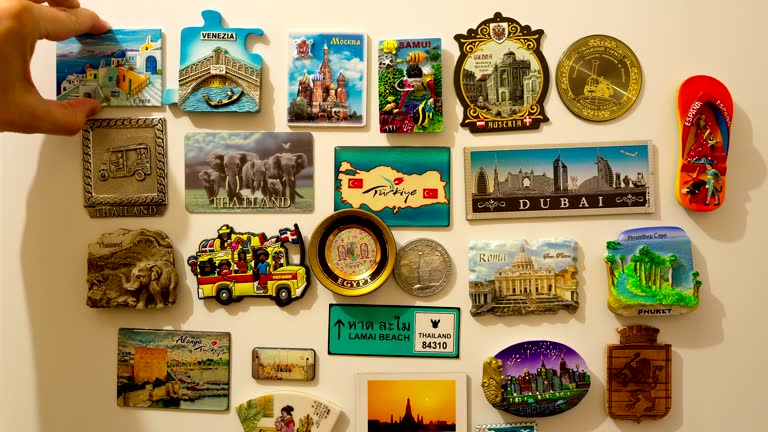
We’ve all had that experience: returning from a trip with carefully curated souvenirs, only to find them tucked away in a drawer or junk box, becoming forgotten time capsules. These items should have been unique testaments to your journey and the perfect vehicle for personalizing your home.
home decor isn’t about price, but about storytelling . Transforming travel souvenirs into stylish home decor not only injects emotional depth into your home but also avoids the cold, “showroom” feel.
Thinking before transformation: the principle of “letting go” of souvenirs
Not all items brought back are suitable as home decorations . Before transformation, a conscious screening is required.
Screening principle: from objects to decorations
Quality and Durability: Prioritize items made of high-quality materials that are durable and resistant to damage. Avoid items that feel overly plasticky, cheap, or easily breakable and collect dust.
Color harmony: Consider whether the souvenir’s color coordinates with your home’s primary color scheme (neutral, accent colors). If the colors clash, consider placing it in a separate display area or simplifying the display.
Storytelling: Keep items that instantly remind you of your trip and create a deep emotional connection. The value of a souvenir lies in the story, not the item itself.
B. Decoration “minefields” to avoid
Avoid large piles: Rows of keychains or small magnets will only look cluttered. Choose three to five of your most representative items to display.
Avoid duplication of function: If you already have a vase, don’t display a decorative bottle that can’t be used .
Clever integration techniques: turning travel traces into home art
The key to transforming souvenirs into home decorations lies in creating context and grouping .
A. Upgrading the display format: Incorporating functional furniture
Decorative Trays/Side Tables:
Arrange coins, pebbles, postcards, or small sculptures from different countries on a high-quality decorative tray (such as marble, metal, or wood).
Effect: The tray defines the display area, instantly upgrading the originally scattered sundries into a themed **”miniature museum**, which fits perfectly into the coffee table or sideboard.
Bookcase/Shelving:
Place exotic pottery jars, small sculptures, or wood carvings between books to create a visual focal point along with the books, following the **“Rule of Three”**.
Tip: Place keepsakes next to bookends or stacks for a grab-and-read vibe.
B. Creating Wall Art: The Power of Framing and Mounting
Map and postcard wall: Frame travel maps, train tickets, boarding passes or special postcards using frames of the same color and material .
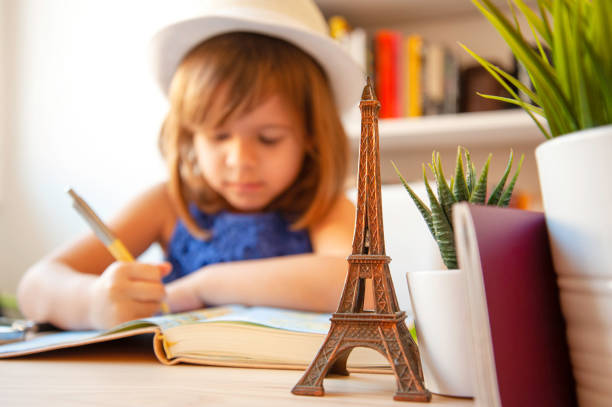
The effect: Eliminate the clutter of individual pieces and elevate fragmented souvenirs into a complete piece of wall art through the unity of the frame.
Textile Framing: Framing exotic scarves, small pieces of embroidery, or textiles like a painting can enhance the decorative piece ‘s cultural value and add a touch of sophistication to the piece rather than simply hanging it on the wall.
III. Space Integration Strategy: Let Souvenirs Communicate with Home Style
According to the characteristics of the souvenirs, choose the most suitable display space to create a style dialogue between them and the surrounding environment .
A. Living room: creating an atmosphere of “cultural exchange”
Large Piece : Create a large, visually striking souvenir (e.g., an African wood carving, a Bohemian tapestry) as a focal point in your living room .
Balance: Ensure surrounding home decor remains neutral or minimalist to highlight the exotic character of your souvenirs and avoid style clashes.
B. Bedroom: Focusing on the memory of “privacy and tranquility”
Sentimental: The bedroom is suitable for displaying memorabilia of greater sentimental value , such as travel photos (after framing) and keepsakes from couples’ travels.
Soft Lighting: Pair with soft table lamps or mood lighting to add a sense of warmth and privacy to these storytelling decorations .
I once brought back a unique clay mask from a trip to South America. Its vibrant colors stood out against the simple black, white, and gray decor of my home. Instead of hanging it on the wall, I placed it on a dark wooden base in a well-lit corner of my living room. The surrounding decorations were all pure black or white. The result was that it was no longer an intruder but rather elevated into a mysterious “art sculpture” that seamlessly blended into the overall modern art atmosphere. Successful transformation lies in allowing the environment to complement the object, rather than the object challenging it.
Conclusion: Your home is your travel museum
Travel souvenirs are one-of-a-kind home decor items that carry your explorations, adventures, and memories.
By applying conscious selection , consistent framing , and clever grouping techniques, you can activate these “time capsules,” freeing them from drawers and turning them into the most personal, conversation-provoking pieces of art in your home.
Make your home a museum that showcases your life journey.
What’s your most successful example of transforming a travel souvenir into a decorative piece? Where do you think the most memorable souvenirs should be placed in your home?